Finding mold in your home is never fun. It can feel overwhelming, maybe even a little scary, but it's a problem with a solution. What you need is a clear plan, so you know what's coming and what to do. I've been doing this work for years, seen all kinds of situations across Rockford, and I can tell you, a little preparation goes a long way.
Understanding the Mold Remediation Timeline
So, how long does this whole thing take? That's usually the first question I get. The truth is, it varies a lot depending on the size of the mold problem and where it is. A small patch in a bathroom might be a couple of days of actual work, while a basement full of mold after a big storm could be a week or more. Here’s a general breakdown:
- Initial Assessment & Testing: This is where we figure out what we're dealing with. Could be a few hours to a day. Sometimes, we'll recommend air quality testing, which adds a few days for lab results.
- Planning & Proposal: Once we know the scope, we put together a detailed plan and cost. That usually takes a day or two after the assessment.
- Containment & Setup: Before any actual removal starts, we'll set up containment barriers (think plastic sheeting and negative air pressure) to stop mold spores from spreading. This can take a few hours.
- Mold Removal & Cleaning: This is the main event. It could be anywhere from one day for a small job to several days for larger, more complex areas. We're talking about removing affected materials, cleaning surfaces, and HEPA vacuuming.
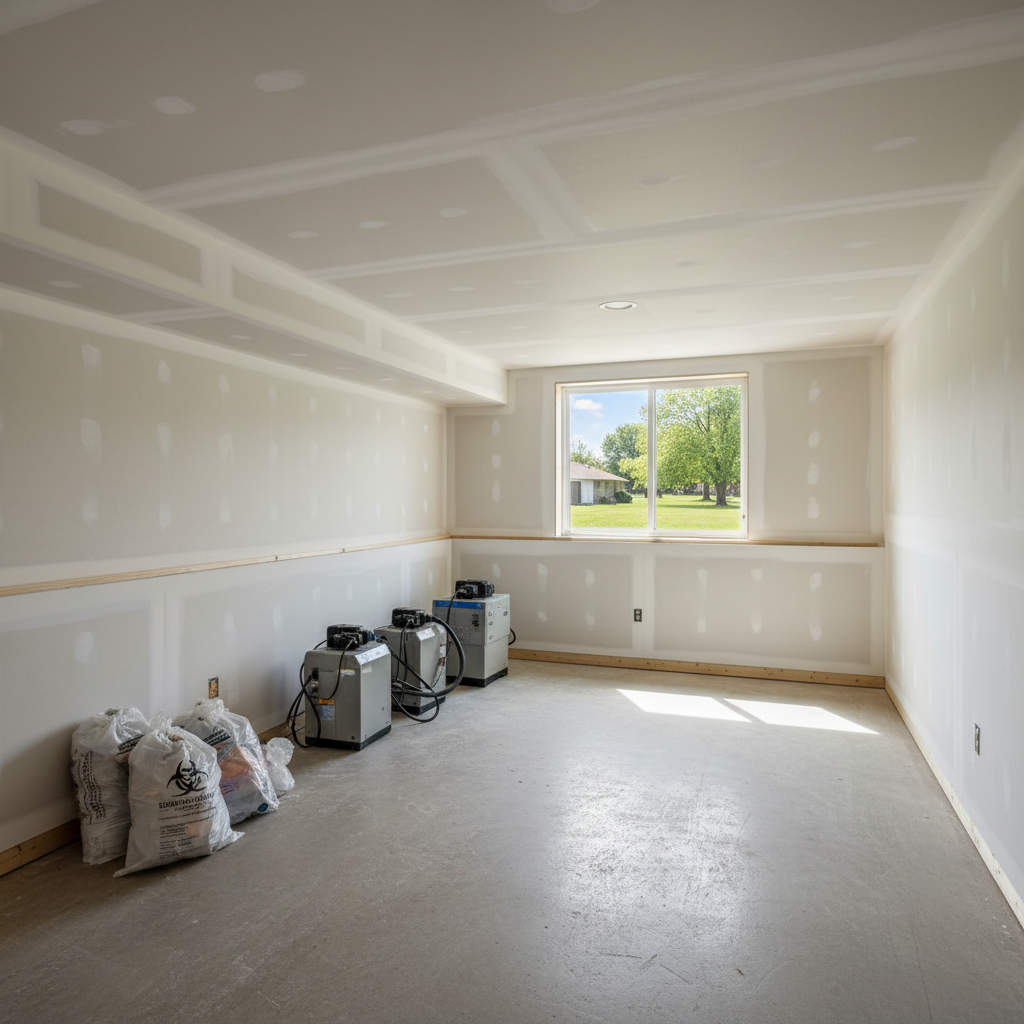
- Drying & Dehumidification: If there was a water source, we'll need to dry out the area completely. This can take 3-5 days, sometimes longer, depending on humidity levels and how wet things got. We use specialized drying equipment.
- Post-Remediation Verification (Optional): Some folks like to have a third-party hygienist come in to confirm the mold is gone. This adds a day for the inspection and a few more for lab results.
- Restoration: Once the mold is gone and everything's dry, we can start putting things back together – replacing drywall, flooring, painting, etc. This phase's timeline depends entirely on the extent of the damage.
What to Expect During the Process
It's not going to be business as usual in your home, that's for sure. You'll see our crew in protective gear – respirators, full suits – especially when we're doing the actual removal. This isn't to scare you; it's to protect us from spores and to show you we're taking it seriously. There will be equipment running, like air scrubbers and dehumidifiers, which can be noisy. We’ll seal off the work area, so you might not be able to access that part of your home for a bit. Our goal at Alpha Restoration is always to minimize disruption, but some is unavoidable when you're tackling mold.
How to Prepare Your Home and Family
Once you've decided to move forward with a professional, there are a few things you can do to make it smoother:
- Clear the Area: If it's safe to do so, remove any unaffected furniture, personal items, or valuables from the contaminated zone. If it's a basement, maybe move those boxes of old photos to a spare bedroom.
- Protect Yourself: Stay out of the affected area as much as possible, especially if you have allergies, asthma, or a compromised immune system. Keep kids and pets away too.
- Communicate: Let us know if you have any specific concerns, like a family member with severe allergies or or if you need access to something in the affected area. We'll work with you.
- Ventilation: If the weather's good and it's safe, open windows in unaffected areas to help with general air circulation, but don't open windows directly into the contaminated zone as that could spread spores.
- Turn Off HVAC (if applicable): We might ask you to turn off your central heating and air conditioning system during certain phases to prevent spore distribution through your ductwork.
Key Questions to Ask Before Signing a Contract
Before you commit to anyone, you need to be confident in their process and their team. Don't be afraid to ask these questions:
- What's your exact scope of work? Make sure their proposal clearly outlines what they will and won't do. Are they just removing mold, or are they also doing the repairs afterward?
- What containment methods will you use? They should explain how they'll prevent cross-contamination.
- What kind of personal protective equipment (PPE) do your technicians wear? This shows they prioritize safety.
- Do you offer post-remediation verification? Will they recommend a third-party hygienist, or do they do their own clearance testing?
- What's your warranty on the work? A reputable company stands behind their service.
- Are you licensed and insured for mold remediation in Illinois? This is non-negotiable. You want to see proof.
- How do you handle unforeseen issues? Sometimes we uncover more mold than initially visible. How will they communicate and adjust the plan if that happens?
- Can you provide references from other Rockford homeowners? Hearing from neighbors who've used them is always a good sign.
Look, dealing with mold isn't fun, but it's manageable with the right approach. Don't rush into anything, do your homework, and pick a pro you trust. We're here to help Rockford families get their homes back to normal, safely and thoroughly.