Finding mold in your home? Yeah, that's never a good day. It's unsettling, often smells bad, and you just know it means a big project. But don't let it overwhelm you. I've seen countless mold situations here in Rockford, from leaky basements in older homes near the Rock River to attic issues in newer builds up by Cherry Valley. The trick to handling it right is knowing what to expect and how to get ready. So, let's walk through what a mold remediation project actually looks like.
Understanding the Timeline: What to Expect
A common question I get is, “How long is this going to take?” That's a fair question, and the honest answer is, it really depends. Every mold job is unique, but I can certainly give you a general idea.
- Initial Assessment & Testing: This part is usually pretty quick, maybe a day or two. We come out, figure out how much mold there is, and often take air or surface samples. If you're going through insurance, they might want their own adjuster to come out too, which could add a few days to the very beginning.
- Developing a Remediation Plan: Once we know what we're up against, we'll put together a detailed plan and estimate. This usually takes another 1-3 days. Here, we lay out what needs to be removed, how we'll contain it, and the drying process.
- The Remediation Work Itself: This is the most variable part. For a small, contained area, we might be done with the actual work in 1-3 days. But for larger, more complex situations – like a whole basement that's been damp for a while, which is pretty common in some of our older, brick-foundation homes – it could easily take 5-7 days or even longer. This includes setting up containment, removing affected materials, cleaning, and treating.
- Drying & Post-Remediation Verification: After the mold is gone, we often need to make sure the area is completely dry. This helps prevent it from coming back, obviously. It can take several days, sometimes with specialized drying equipment running. Then, we recommend a post-remediation clearance test, usually done by a third-party hygienist, to confirm the air quality is back to normal. Getting that report back can take another 2-5 days.
So, from your first call to that final clearance, you're typically looking at anywhere from one to three weeks. Sometimes a bit longer for really extensive jobs. We always aim to work efficiently, but we absolutely don't cut corners when it comes to your health and your home's integrity.
What Happens During Mold Remediation?
When Alpha Restoration comes in for a mold job, we follow strict protocols. This keeps your home safe and gets rid of the problem effectively.
- Containment: This is step one. We seal off the affected area with plastic sheeting and negative air pressure machines. This stops mold spores from spreading to other parts of your house while we’re working. You'll see big fans and plastic barriers – that's us protecting your clean areas.
- Air Filtration: We use HEPA air scrubbers to filter the air inside the containment zone. This captures airborne mold spores.
- Removal of Contaminated Materials: Any porous materials like drywall, insulation, carpet, or wood that are heavily contaminated with mold have to go. We bag these materials inside the containment area and remove them carefully.
- Cleaning & Disinfection: Non-porous surfaces (like metal, glass, or some plastics) and salvageable wood get a thorough cleaning using specialized solutions and HEPA vacuums.
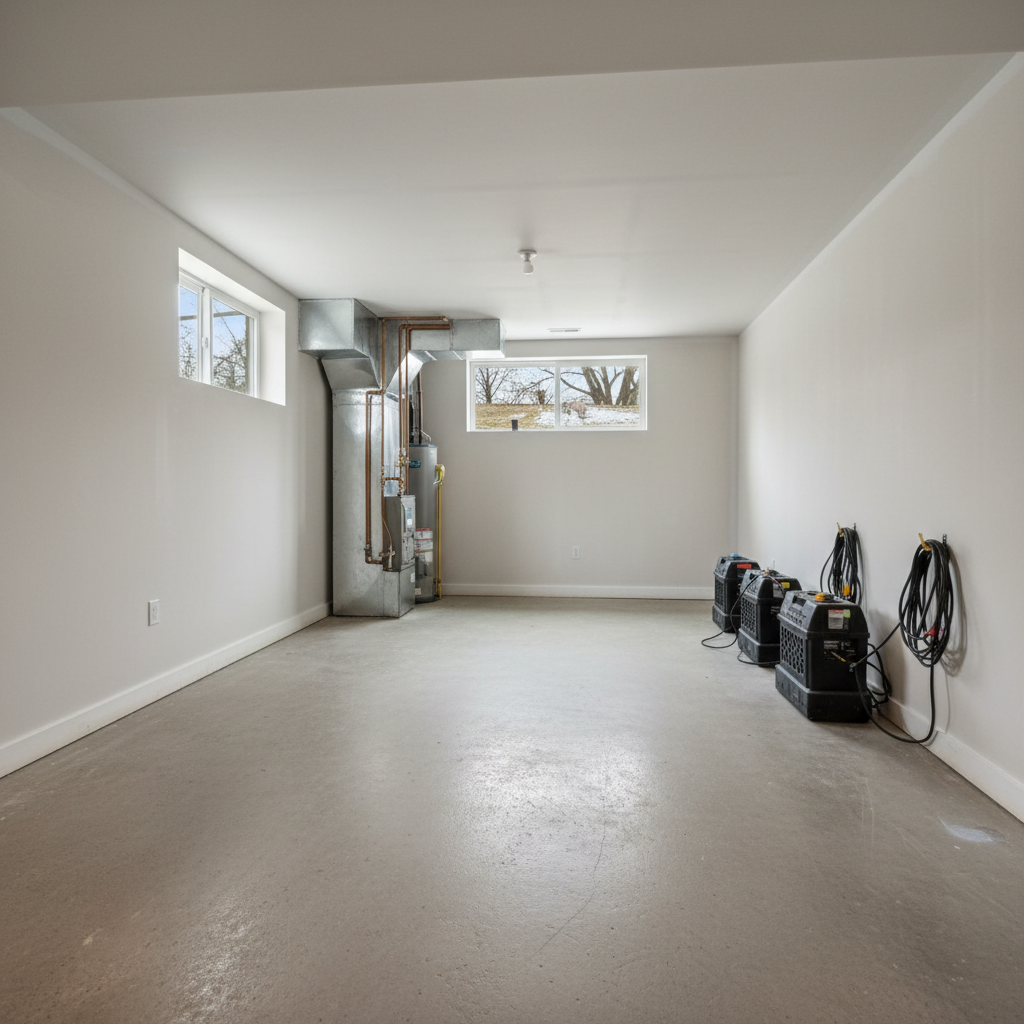
- Drying: If there's still moisture, we'll use industrial dehumidifiers and air movers to dry out the area completely. This is crucial to prevent the mold from coming right back, right?
- Encapsulation (Optional): Sometimes, after cleaning, we might apply an antimicrobial coating or encapsulant to treated surfaces. This isn't always necessary but can be a good extra layer of protection, especially in areas prone to dampness.
It's a messy job, no doubt, but we're very careful about keeping the mess contained and cleaning up thoroughly once the mold is gone.
How to Prepare Your Home for the Crew
Once you've got a remediation plan in place, there are a few things you can do to make the process smoother for everyone:
- Clear the Area: Move furniture, personal belongings, and anything valuable out of the affected room or area. If it’s a basement, try to get boxes and stored items off the floor. We can help with larger items, but anything you can do ahead of time really helps.
- Protect Valuables: If you can't move something, cover it with plastic sheeting. This protects it from dust and debris.
- Secure Pets & Kids: Make sure pets are in a safe, unaffected part of the house, or even better, with a friend or family member for a few days. The same goes for young children, especially during the active remediation phase.
- Access: Ensure we have clear access to the work area, and that there's a path for bringing in equipment and removing debris.
- Communicate: If you have any specific concerns about certain items, or if there are areas you absolutely don't want us to touch, please let us know upfront.
Key Questions to Ask Before Signing a Contract
Before you commit to any company, you need to feel confident in their process and their people. Don't be shy about asking these questions:
- Are you IICRC certified for mold remediation? This is a big one. It means they've got the proper training and follow industry standards.
- Will you use third-party testing? For both initial assessment and post-remediation clearance. You want an unbiased opinion that the mold is gone and the air is safe, don't you?
- What's your containment strategy? Make sure they explain how they'll prevent cross-contamination.
- What's included in the estimate? Get a detailed breakdown. Does it cover demolition, cleaning, drying, waste disposal, and post-testing?
- What's your warranty? A reputable company should stand behind their work.
- How long have you been operating in Rockford? Local experience means they understand our specific climate challenges – like the freeze-thaw cycles that can impact foundations, or the humidity swings we get in summer.
- Do you handle the source of the moisture? Mold comes from moisture. If they just remove the mold but don't address the leak or dampness, it'll just come back. We always try to identify and recommend solutions for the moisture source.
Choosing the right team for mold remediation is a big decision. At Alpha Restoration, we believe in being upfront and thorough. We want you to feel informed and confident every step of the way, so you can get back to a healthy home.